

In the world of logistics and freight, time is the lifeblood of your entire operation. For fleet managers and owner-operators alike, a single broken-down truck isn’t just an inconvenience; it leads directly to financial losses. Unplanned downtime can easily cost between $448 and $760 per vehicle every single day. The difference between a minor delay and a financial disaster often hinges on one key decision: how you handle the repair.
While traditional brick-and-mortar repair shops certainly have their place for major overhauls, round-the-clock mobile tractor and trailer repair has fundamentally changed how smart fleets approach maintenance economics. By bringing the repair shop straight to the truck, mobile services help transport businesses safeguard their margins, turning potential operational crises into quick, manageable, on-site solutions.
The Hidden Costs of the “Tow-to-Shop” Model
#image_title
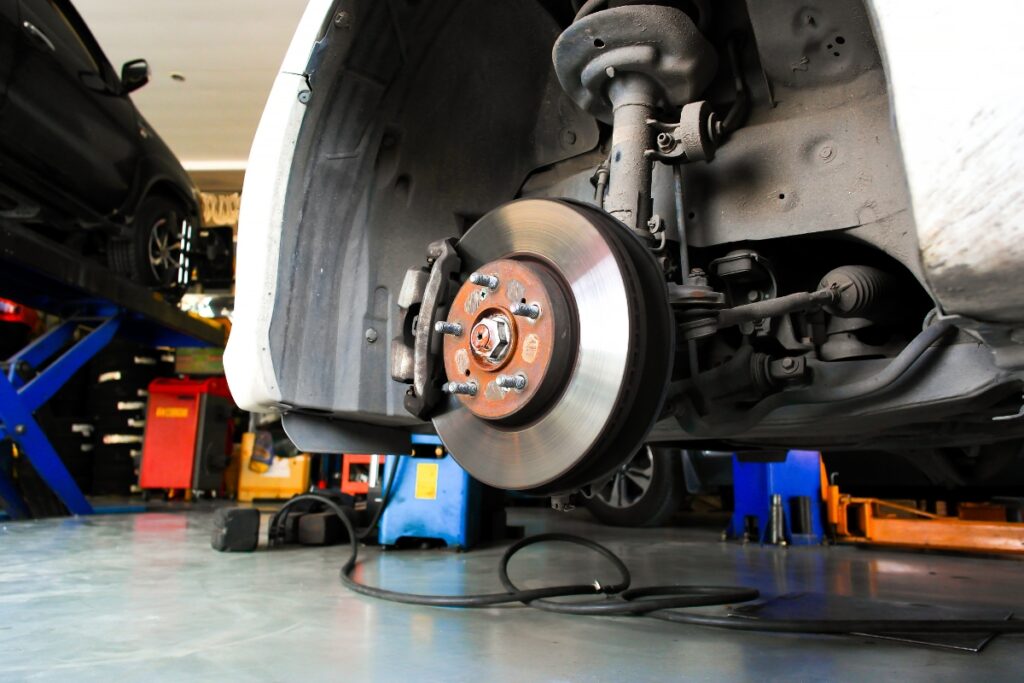
When a heavy-duty truck breaks down on the route, the default reaction is often to call a tow truck and head for the nearest service center. However, relying solely on this “tow-to-shop” model can rapidly drain your operating budget through several distinct hidden costs:
-
Direct Costs of Towing: Towing a fully loaded tractor-trailer is never cheap. Depending on the distance, time of day, and location, towing fees routinely range from $500 to $1,500. In remote stretches or during late-night hours, these rates skyrocket even further. When you combine the initial tow with the actual repair bill, you spend a substantial amount of money just to relocate a broken vehicle before a single wrench is turned.
-
The Downtime Multiplier: Downtime represents the costliest line item in any fleet’s budget. While a rig waits for a tow truck, sits in a garage queue, or waits for an available technician, it generates zero revenue. Industry data indicates that 44% of fleets deal with downtime lasting six hours or more for a single event, while 16% face disruptions exceeding 24 hours. If you are losing $637 in daily revenue per vehicle, a two-day delay isn’t just a repair expense—it is a massive hit to your bottom line.
-
The “Captive Market” Premium: When forced to rely on whatever physical shop happens to be nearest to your stranded driver, you lose all leverage. You become a “captive customer” without the option to compare labor rates or shop around for parts pricing. In contrast, mobile repair services let you retain control. They provide clear, transparent on-site assessments that shield you from the aggressive upselling that often occurs during emergency shop visits.
The Strategic Advantage of On-Site Mobile Repair
#image_title
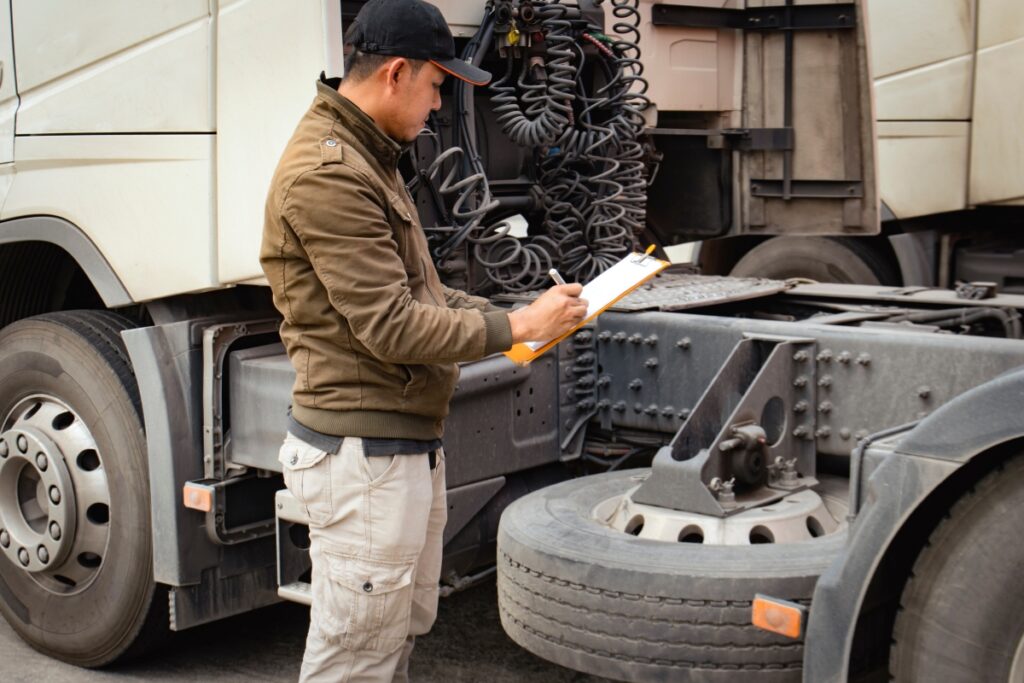
Mobile truck and trailer repair offers far more than simple roadside convenience; it is a straightforward strategy for boosting overall operational efficiency. By eliminating the transportation step entirely, mobile services streamline your entire repair workflow.
Rapid Turnaround Times
Mobile technicians specialize in diagnosing and fixing the most common roadside failures right where they happen—including tire blowouts, air brake adjustments, electrical shorts, and fluid leaks. Because they don’t need to arrange drop-offs, clear out space, or wait for an open shop bay, mobile mechanics can frequently get a driver safely back on the road in fraction of the time it takes to get towed to a garage.
On-Site Preventive Maintenance
The single best way to stay clear of costly emergency repairs is to catch mechanical issues early. Many mobile repair providers now offer comprehensive, on-site preventive maintenance (PM) programs directly at your yard or terminal, focusing on:
- Fluid and Filter Changes: Keeping engines, coolants, and transmissions running clean to prevent internal wear.
- Brake and Tire Inspections: Checking key wear points that account for the majority of sudden DOT out-of-service violations.
- Safety Compliance Checks: Ensuring lights, wiring harnesses, and structural components meet legal standards long before they cause a breakdown.
By scheduling this routine work during a driver’s off-duty hours or while a rig is staged at a loading terminal, you keep your rolling assets generating income without sacrificing safety.
Reduced Administrative Overhead
Coordinating a tow truck, vetting an unfamiliar repair facility, and constantly relaying messages between your driver and a shop dispatcher takes up valuable administrative time. Mobile services simplify this entire administrative loop. With a single point of contact, you receive real-time updates and more personalized communication from a technician who gets to know your fleet’s specific specs and needs over time.
Breaking the Cycle: The Real ROI of Proactive Maintenance
The financial return on proactive maintenance is clear: industry estimates show that every dollar invested in preventive care saves between $4 and $5 in avoided emergency costs down the road.
Emergency roadside repairs are rarely cheap. Because of their urgent nature, they almost always carry after-hours labor premiums and rush charges for parts delivery. On average, emergency roadside work costs 30% to 50% more than the exact same repair performed during a planned service visit.
Consider how quickly a minor issue snowballs. A minor air leak, if identified during a routine mobile inspection, takes only a few minutes and a inexpensive part to fix. Left unchecked, that same leak can trigger a complete roadside brake failure, leading to:
- A costly emergency dispatch fee.
- Premium emergency or after-hours labor rates.
- Potential DOT fines and official out-of-service violations.
- Lost freight revenue caused by missed delivery windows.
- Added driver stress, which directly fuels driver turnover.
By moving from a reactive “fix-it-when-it-breaks” mindset to a proactive mobile maintenance model, you protect your operational budget from unpredictable cost spikes.
Is Mobile Repair Right for Every Situation?

#image_title
It pays to be realistic. While mobile repair excels at resolving the vast majority of common roadside issues quickly, it isn’t meant to be a complete replacement for a full-service brick-and-mortar garage.
When to Call a Mobile Technician:
- Roadside Emergencies: Flat tires, jump starts, battery replacements, or minor electrical and line faults.
- Scheduled Yard Care: Fluid top-offs, chassis greasing, filter changes, and routine system walkthroughs.
- Compliance Fixes: Correcting minor defects that caused a failed DOT roadside inspection.
- Time-Sensitive Drops: When a truck needs a quick patch to complete a delivery and safely return to its main base.
When a Traditional Shop is Necessary:
- Major Overhauls: Full engine rebuilds, transmission teardowns, or structural frame work requiring heavy hydraulic lifts.
- Deep Diagnostic Work: Complex engine software re-flashing or internal mechanical teardowns requiring a clean, controlled environment.
Even when a shop visit is unavoidable, a mobile technician can often run an initial on-site diagnostic to determine whether the rig is safe to limp into the shop under its own power. That quick check alone can save you from paying an unnecessary towing bill.
Building a Resilient Fleet Culture
The value of mobile repair extends beyond financial returns—it directly shapes your company culture. Professional drivers are the backbone of the trucking industry, and their time is valuable. When a driver is forced to sit on the shoulder of a highway for 12 hours waiting on a tow and a garage queue, frustration builds quickly. This frustration directly contributes to burnout and driver turnover, which can cost a fleet anywhere from $7,000 to $10,000 to recruit and train a single replacement.
Providing fast, effective, and professional mobile roadside assistance demonstrates that you respect your drivers’ time and safety. It helps build trust, boosts driver retention, and projects a reliable image to your clients, who count on the consistency of a well-maintained fleet.
A breakdown does not have to compromise your financial health. By incorporating mobile tractor and trailer repair into your broader fleet strategy, you prioritize vehicle uptime, maintain tight control over maintenance costs, and support your drivers on the road.
The data speaks for itself: reactive maintenance drains revenue, while a flexible, mobile-first strategy keeps your business profitable. Whether you operate a single rig or manage an entire commercial fleet, mobile repair delivers the agility, speed, and cost-efficiency required to stay ahead in today’s demanding freight market.
Don’t wait for a check engine light or a tire blowout to figure out your game plan. Establish a working relationship with a reliable mobile repair provider today, and ensure your business is ready to keep its wheels turning when the unexpected occurs.
Battle Ready Roadside offers 24/7 mobile tractor and trailer repairs. Reach our team anytime by call or text at 623-755-1196.
